Welcome to AR-327 !!
Today's learning objectives:
- Understand the basics of BREPS
- Learn to use their methods and properties
Breps
Breps
Last week we saw primitives,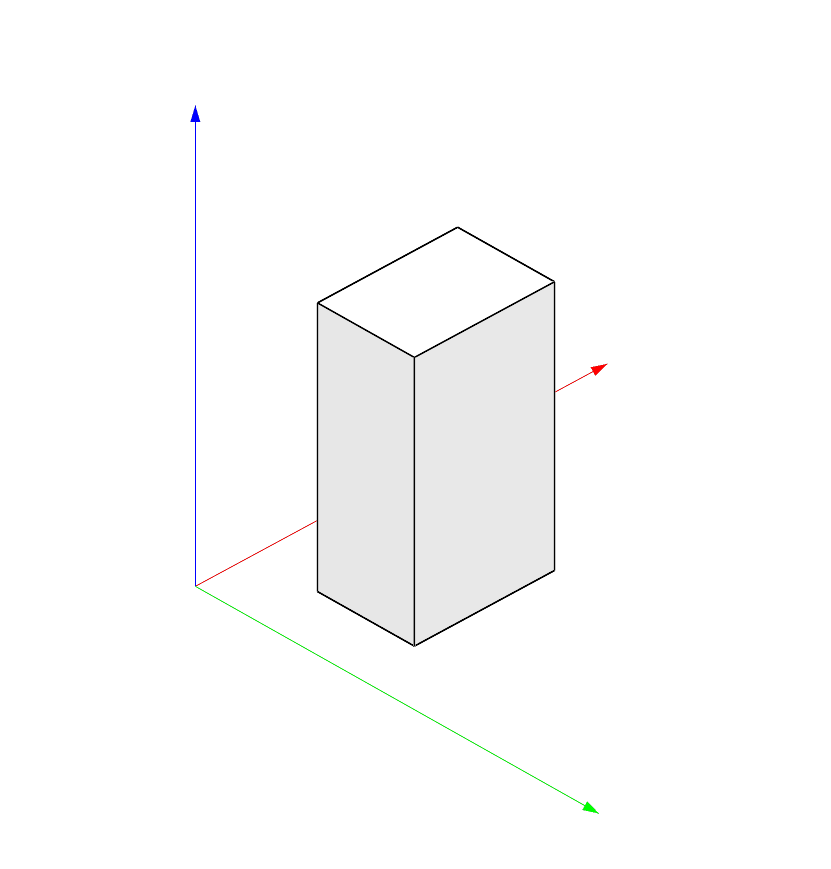
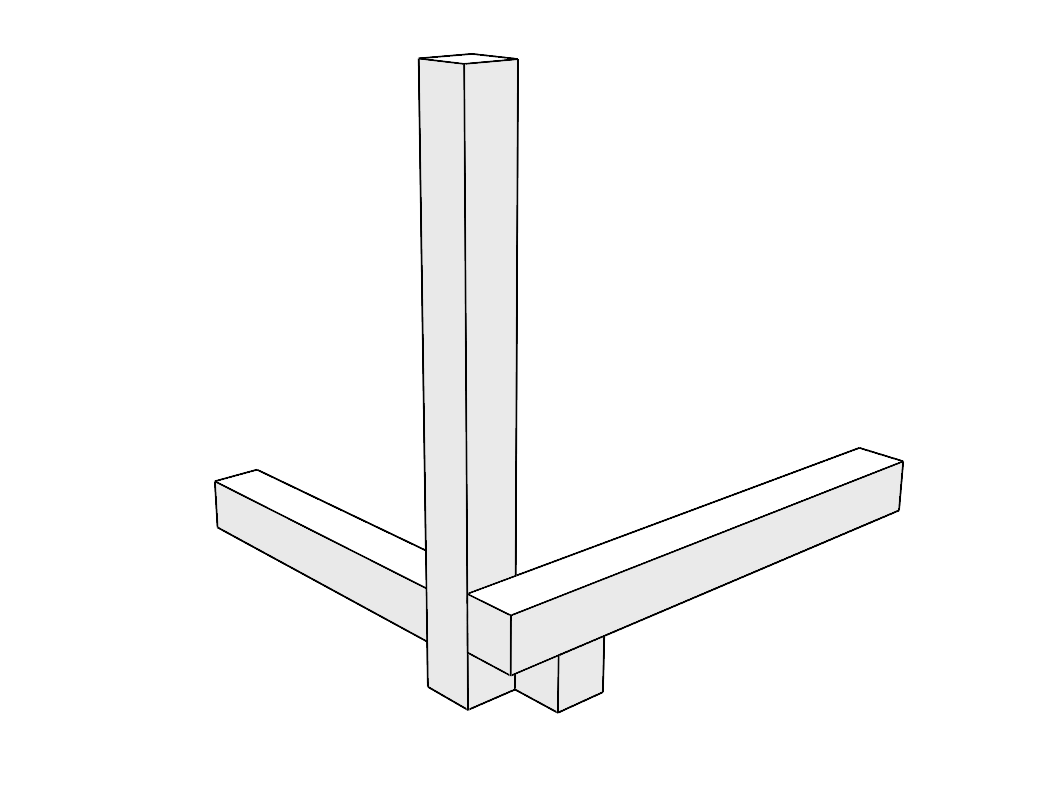
Breps
Why go further ?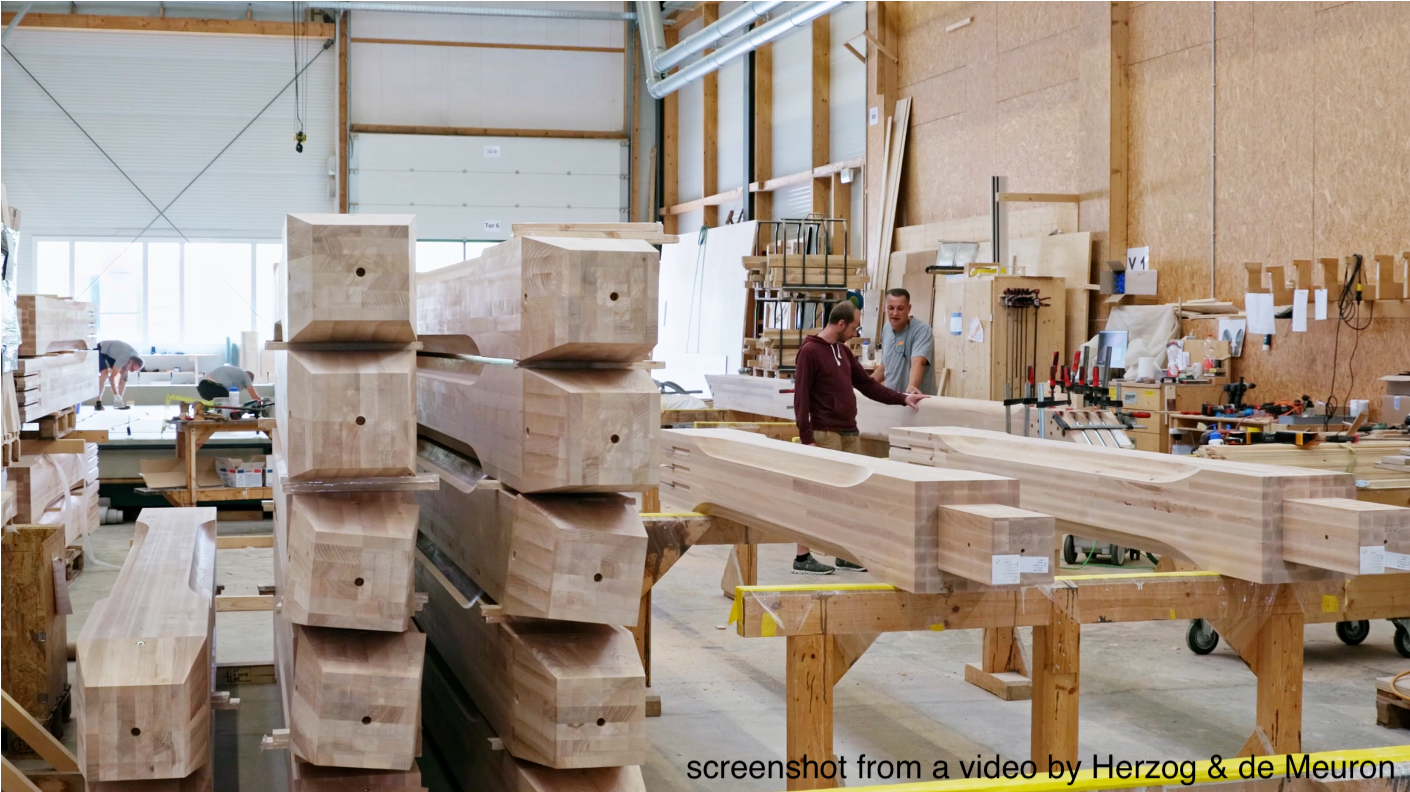
Breps
What is a BREP ?Breps
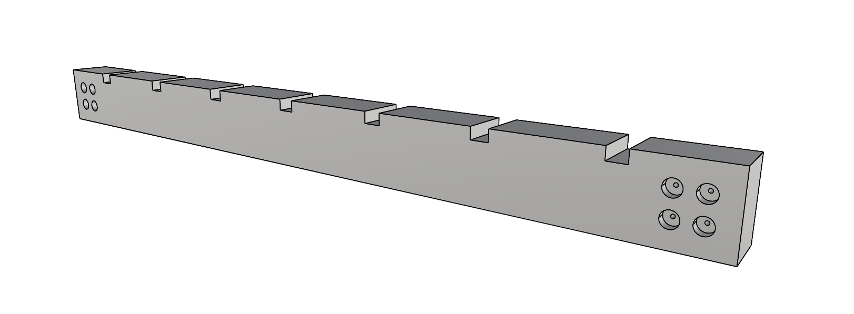
What is a BREP ?BREP stands for Boundary Representation. It is a representation of a complex geometry using boundaries on surfaces.
Breps
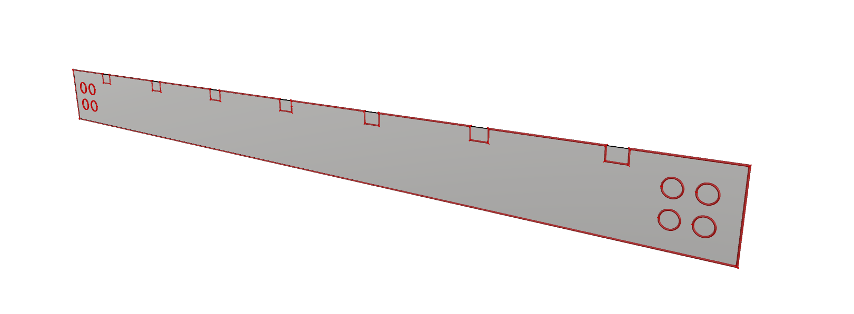
What is a BREP ?BREP stands for Boundary Representation. It is a representation of a complex geometry using boundaries on surfaces.
Breps
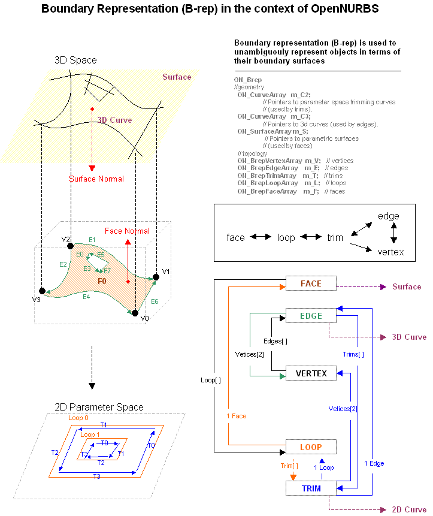
What is a BREP ?We will not go into the specifics of BREPS, but there is a lot to say about them:
Breps
A small word about tolerances: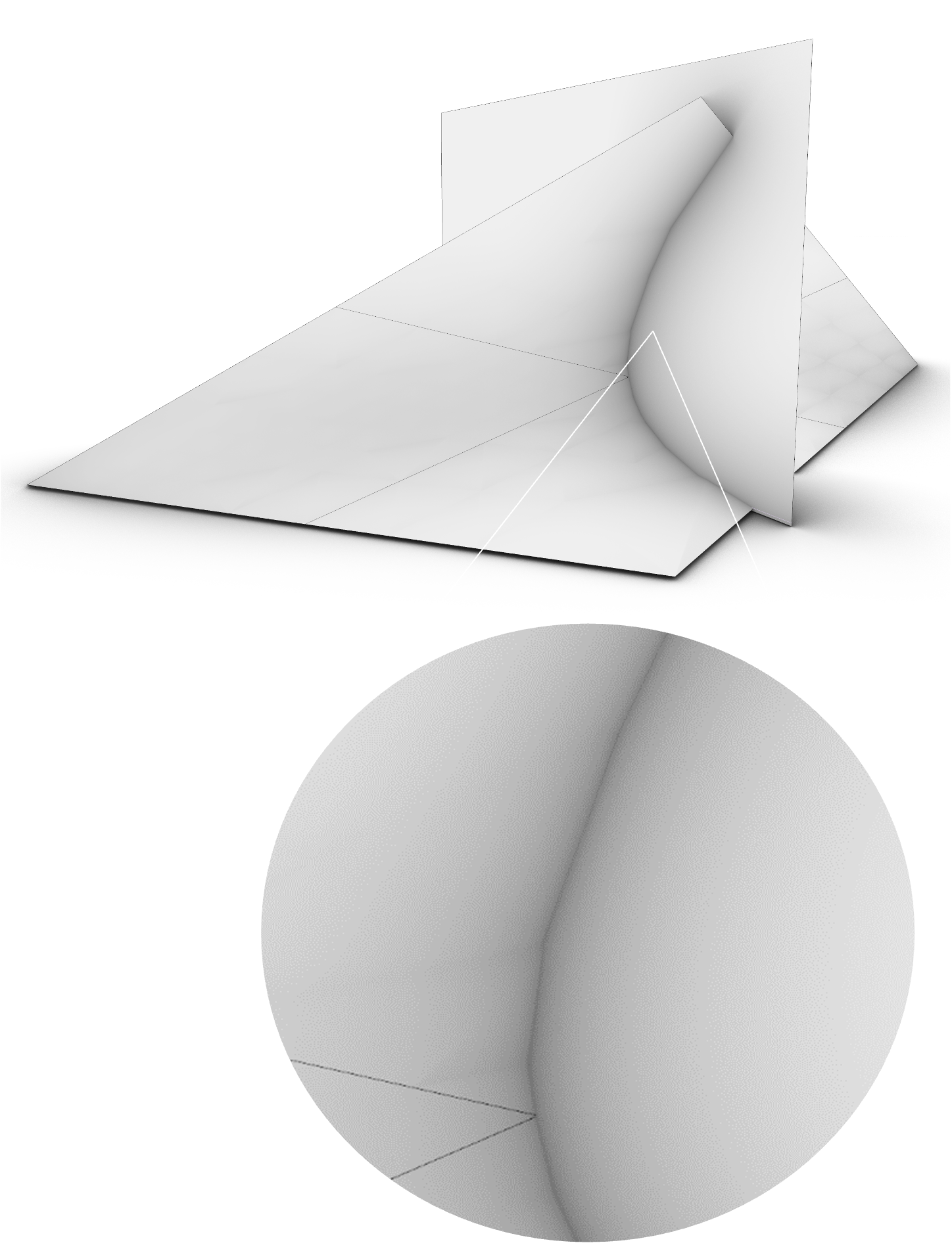
We deal with geometries with intersections: tolerances are very important!
TOL = Rhino.RhinoDoc.ActiveDoc.ModelAbsoluteTolerance
Small exercice on BREP constructors (5min)
Go on the RhinoCommon documentation and have a look at the BREP constructors, what can you say about them ?BREPS: "constructors"
technically, creating an object of a class using one of the class' methods is called a static methodBREPS: "constructors"
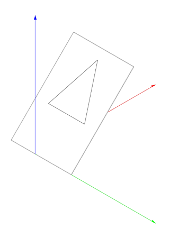
Trimming
            perimeter = [triangle_side_1,
	                        triangle_side _2,
	                        triangle_side _3]

            my_brep = Rhino.Geometry.Brep.CreateTrimmedPlane(plane=my_plane,
                                                             curves=perimeter)
BREPS: "constructors"
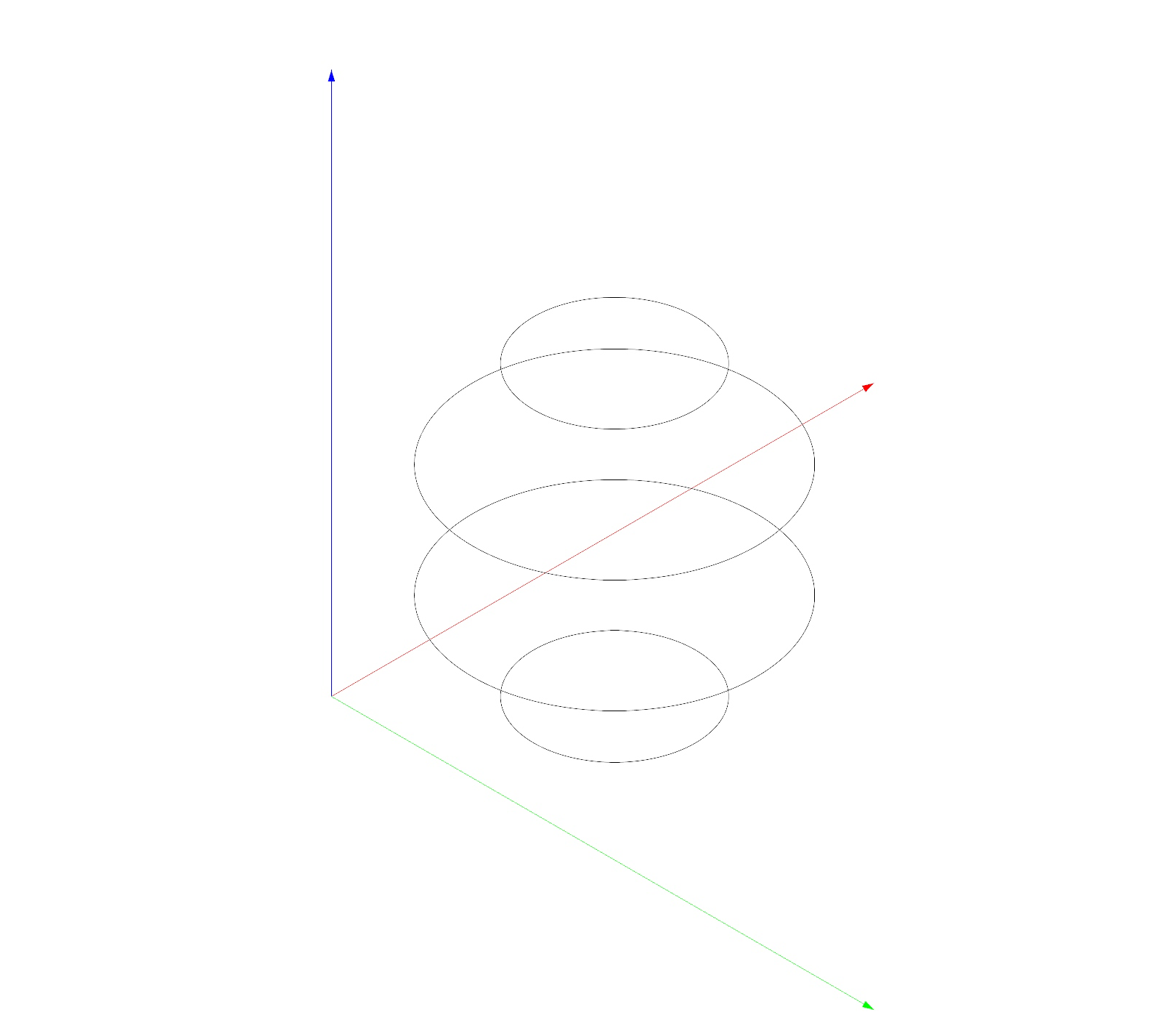
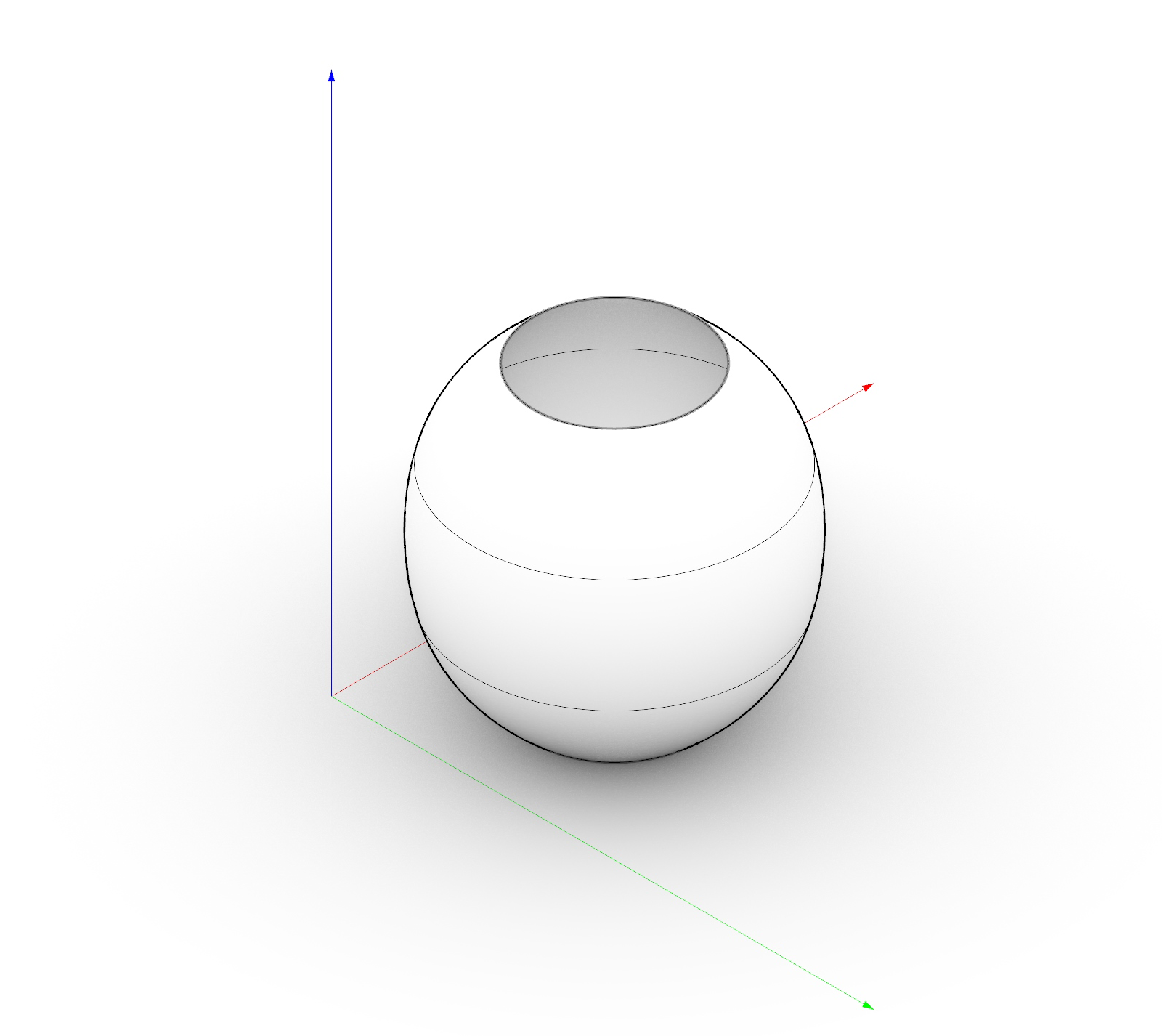
Loft
            crvs = [crv1, crv2, crv3, crv4]

            loft = rg.Brep.CreateFromLoft(curves=crvs,
                                          start=rg.Point3d.Unset,
                                          end=rg.Point3d.Unset,
                                          loftType=rg.LoftType.Normal,
                                          closed=False)
BREPS: "constructors"
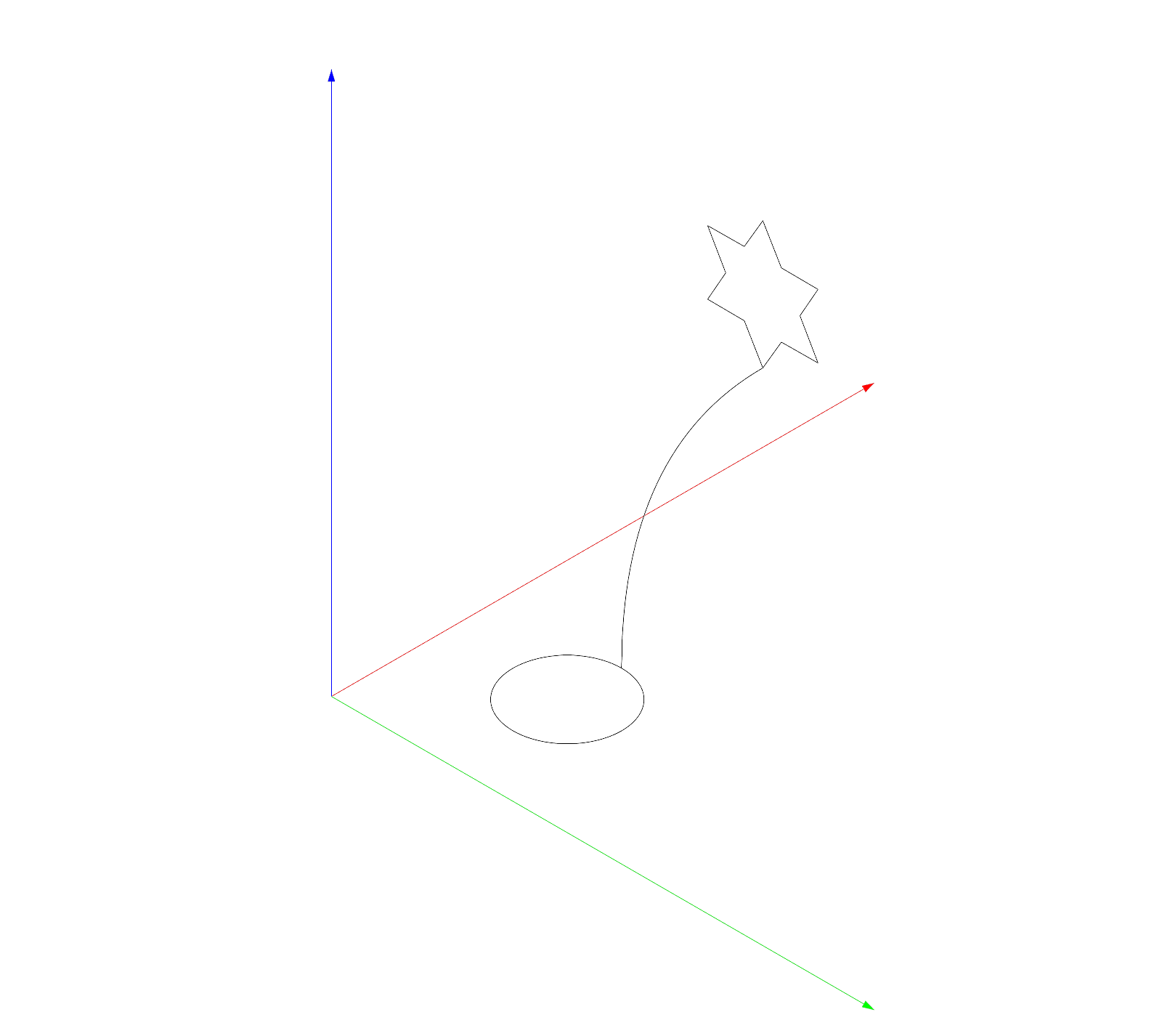
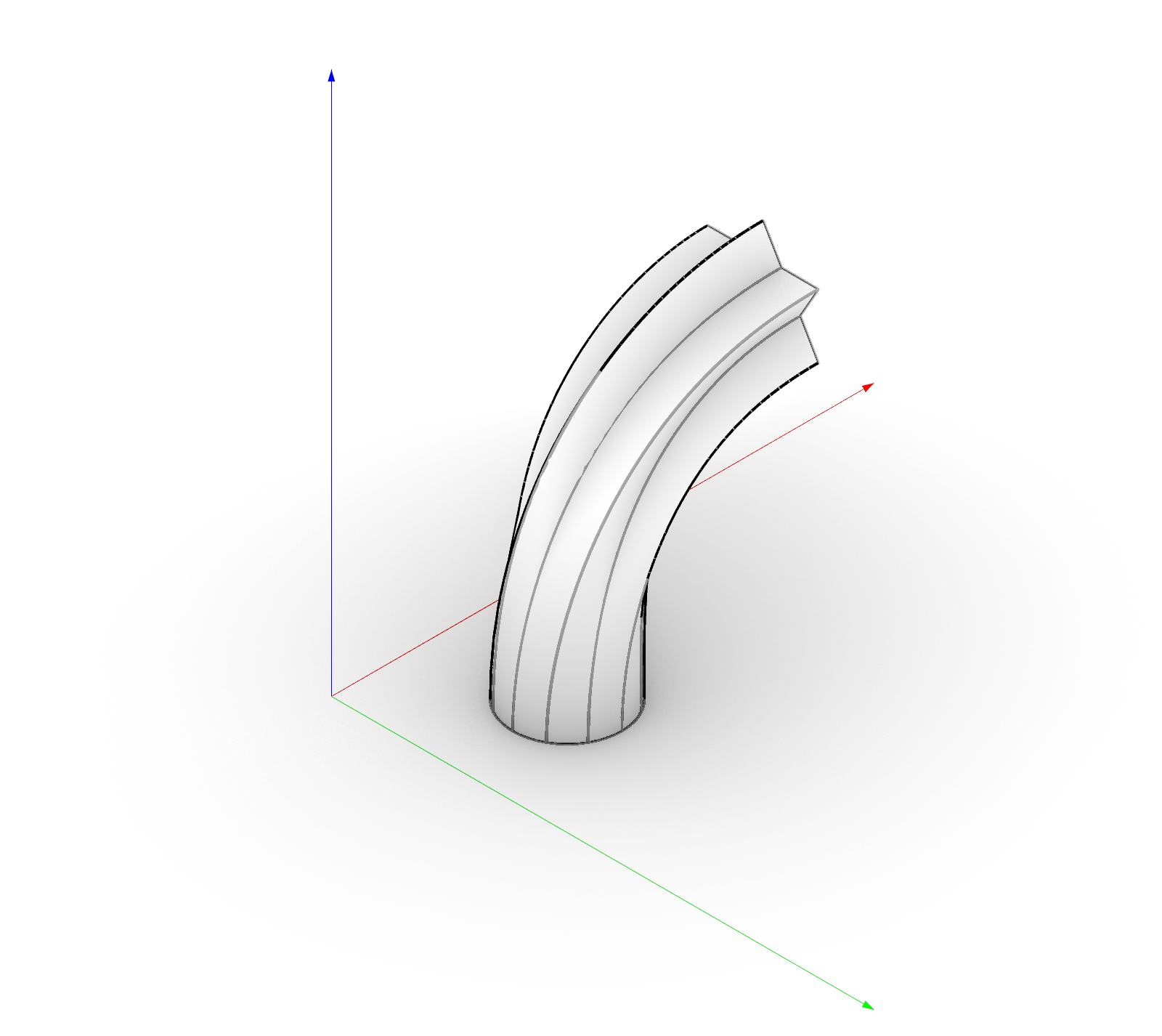
Sweep
            rail = my_curve
            sections = [my_section_1, my_section_2, my_section_3]
            sweep = Rhino.Geometry.Brep.CreateFromSweep(rail=rail,
                                                        shapes=sections,
                                                        closed=True,
                                                        tolerance=TOL)
BREPS: "constructors"
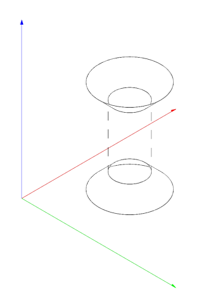
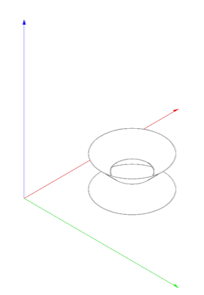
Join
            # Assuming both breps already exist separately
            my_joined_brep = my_brep.Join(otherBrep=my_other_brep,
                                          tolerance=TOL,
                                          compact=True)
Exercice on BREP construction (20 min)
In the website, go to the brep methods page and solve the first exercice (00)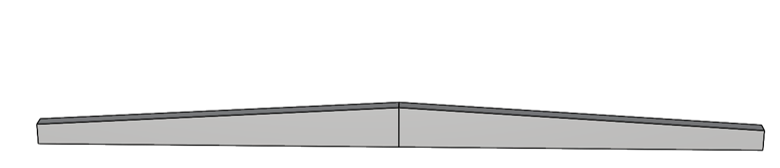
Breps: methods
Breps: methods
            my_capped_brep = my_brep.CapPlanarHoles(tolerance=TOL)

            my_brep_area = my_brep.GetArea()

            my_brep_bbox = my_brep.GetBoundingBox(accurate=True)

            my_splitted_breps = my_brep.Split(cutter=cutter_breps, tolerance=TOL)
Exercice on BREP construction (20 min)
In the website, go to the brep methods page and solve the first exercice (01)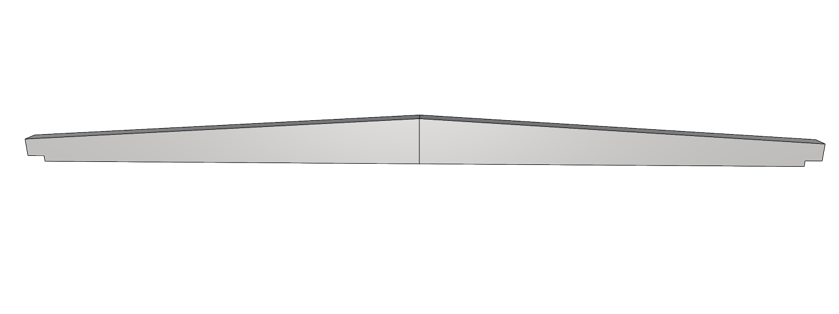
Breps: properties
Breps: properties
            my_brep_faces = my_brep.Faces

            my_brep_edges = my_brep.Edges

            my_brep_vertices = my_brep.Vertices

            my_brep_is_closed = my_brep.IsSolid

            my_brep_underlying_surfaces = my_brep.Surfaces
Exercice on BREP construction (20 min)
In the website, go to the brep properties page and solve the first exercice (00)